Summer 2023. Many of us remember the hazy summer days in the New York City.
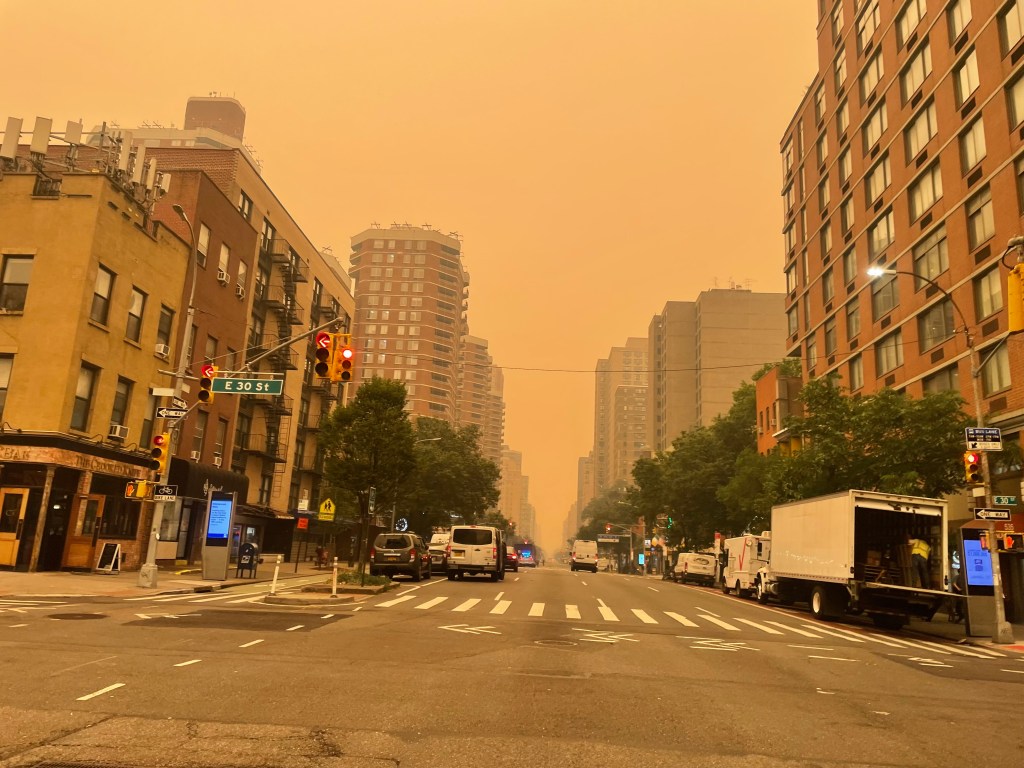
Post-apocalyptic orange-red air filled the air. Microscopic particles from the Canadian forests brought by winds created a Mars-like reddish sky. The sky turned orange, and the pollution levels were nothing New York City had ever experienced. At least, post-COVID-19 pandemic, everybody had high-quality masks if they chose to use them to protect themselves from the “dust”.
The misconceptions about the “dust” penetrated every conversation. Yet, many failed to acknowledge that the air was not simply filled with more dust but with a high concentration of very toxic particles.
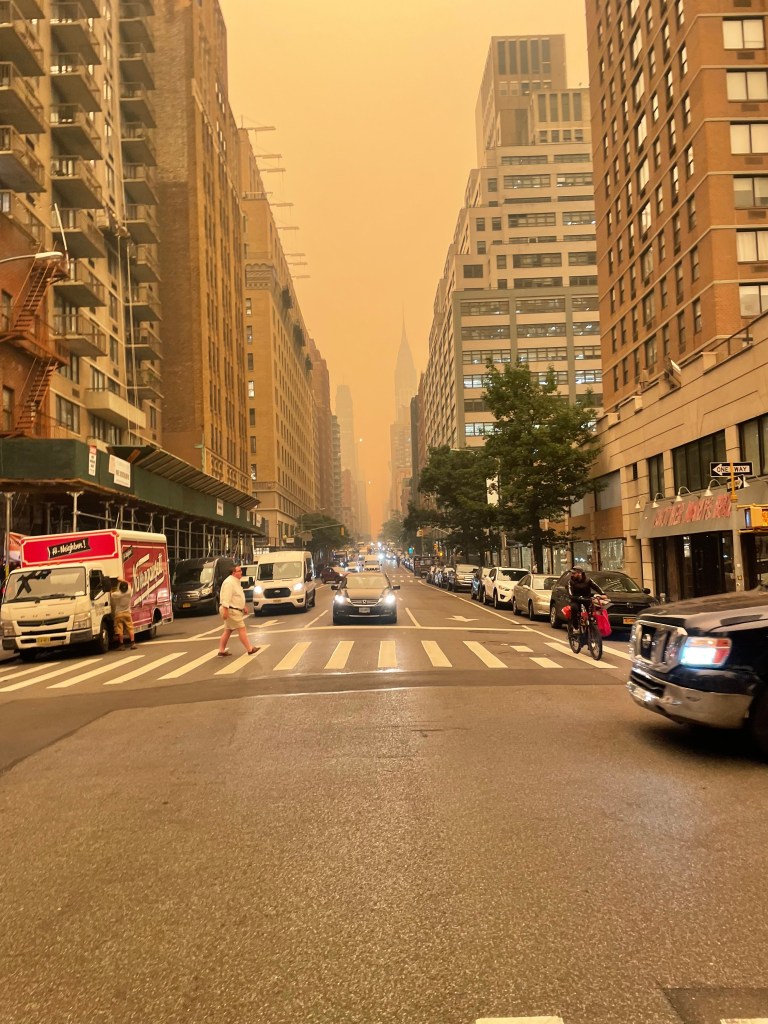
The dust: the famous PM 2.5. Particles less than 2.5 um can pass readily to our bloodstream and damage internal organs. These particles were not typical dust found on bookshelves but rather by-products of incomplete combustion of carbon present in the wood and any items burned in the forest fires.
For the first time, I truly understood the dangers of wildfires and their impact on the world, even when they occur hundreds of miles away. The effect was no longer a television clip and became my reality as well.
However, this time has embedded itself firmly in my memory for a different reason.
Since childhood, I was taught to ask questions about things I did not understand and to stand for my beliefs. Yet, asking questions brought a lot of judgment upon me. I rarely quit things I set my mind to do, but this was one of those moments where I stepped away from something I was passionate about to protect myself. Although I put this behind me with time, I was truly hurt.
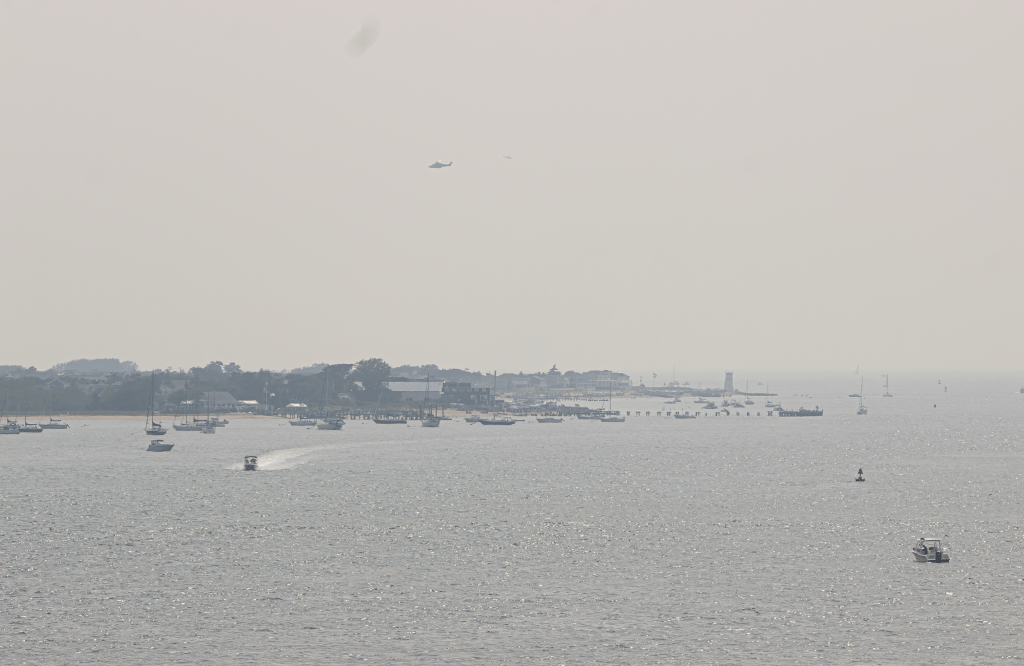
Weeks later, after the air quality improved, I walked to the beach. The haze over NYC was still there, but life had to go on. People took their boats to the ocean, helicopters were in the air, and life seemed not to notice.

As you exit the bridge leading to the Far Rockaways, a short strip of a wooden dock is sticking into the bay. On top of that, cormorants love to dry their wings. Contrary to many birds, cormorants make very little of the preen oil, which makes most feathers waterproof. Thus, they spend a lot of time drying their feathers. It looks almost comical as if they were embracing the wind.
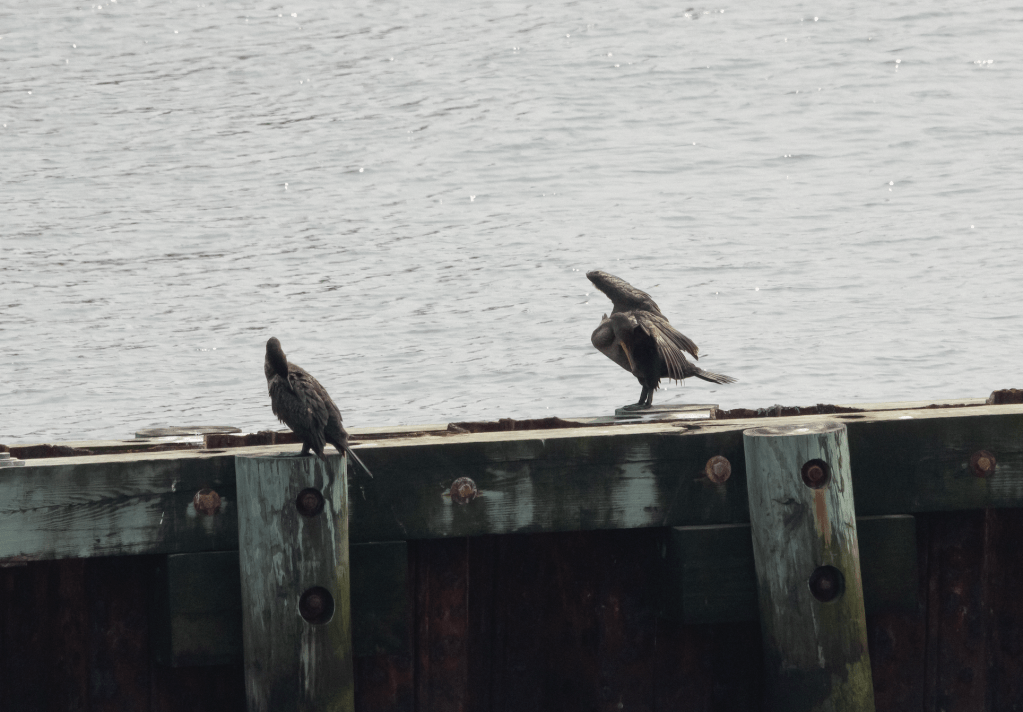
As I walked along the bridge, several cormorants took full advantage of the Sun, with outstretched wings taking in every ray. There was something freeing in their behavior. They knew what to and where to be. At least, they showed themselves compellingly. Watching them patiently wait for the wings to dry, I understood I made the right choice. I felt at peace. I felt like the cormorant, embracing every sun ray coming my way.
 Marta Grońska-Pęski
Leave a comment